
Get a Free Quote
Thank You!
We'll get back to you shortly. For immediate help, call (855) 473-5280.
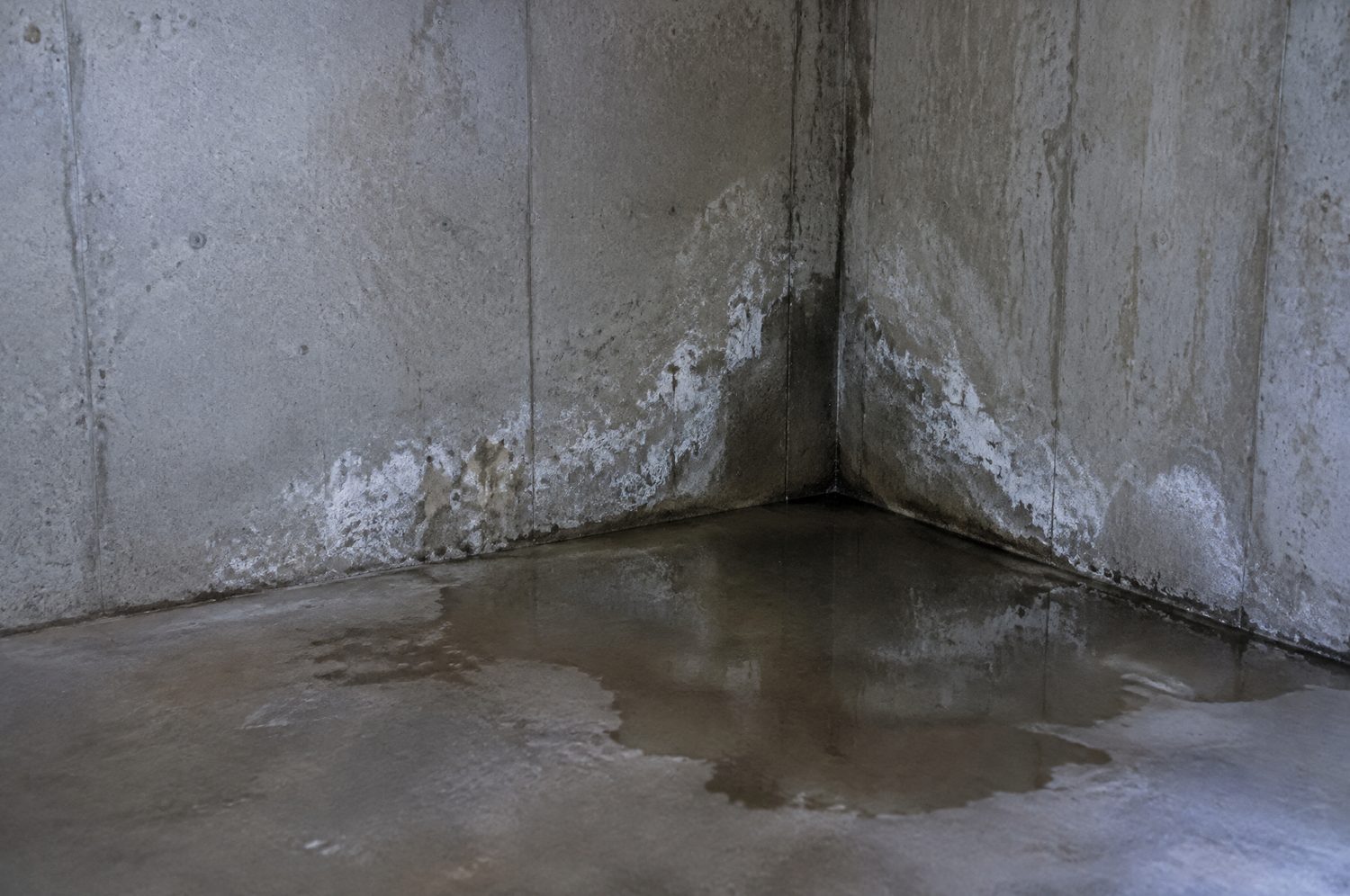
Basement Waterproofing Charlotte keeps homes dry across Charlotte and all of Mecklenburg County. Here, that means more than basements: most Charlotte homes sit on crawl spaces or slabs, so we waterproof it all, interior and exterior systems for the homes that have a basement, foundation waterproofing, crawl space sealing and drainage, french drains that carry water away, and sump pumps that keep the low point dry. If your crawl space or basement smells musty, your walls seep, or water pools after it rains, we find where it is getting in and stop it.
The problem under most Charlotte homes is the ground. The Piedmont's red clay does not drain, it holds water against the foundation for days after rain, building pressure that pushes moisture through block, concrete, and cracks. Add the flash-flooding creeks that run through the city and the grading and downspouts that send roof water the wrong way, and water finds its way in. We match the system to your home and the water it actually takes on, never a one-size estimate, and it always begins with a free inspection.
If your crawl space or basement is doing any of these, water is getting in, and a free inspection will find where.
Water pooling on the crawl space liner or dirt, or on a basement floor after rain, is the clearest sign your drainage is not keeping up. In Charlotte it usually means clay is holding water against the foundation until it finds a way in.
That persistent musty odor in the house often starts below it. A damp crawl space or basement sends moisture, mildew, and that smell up into the living space, so the air you breathe is only as clean as the space under your floor.
A white, chalky, crystal-like film on block or concrete is mineral salt left as water moves through the wall and dries. It is proof moisture is passing through, even if the wall looks dry today.
Water lines, dark stains, or a wall damp to the touch mean water is seeping through cracks or porous block under pressure from the saturated clay outside. Charlotte's heavy clay makes this common on older foundations.
Visible mold on joists, framing, or walls means the space has stayed damp long enough to grow it. Mold is a health problem, not just a moisture one, and it keeps coming back until the water feeding it is gone.
Sweating ductwork, foggy windows, or a clammy feel downstairs point to humidity rising from a damp crawl space or basement, which a vapor barrier, drainage, or dehumidifier is built to fix.
Every method to keep a Charlotte basement, crawl space, and foundation dry, matched to how water is actually getting in.
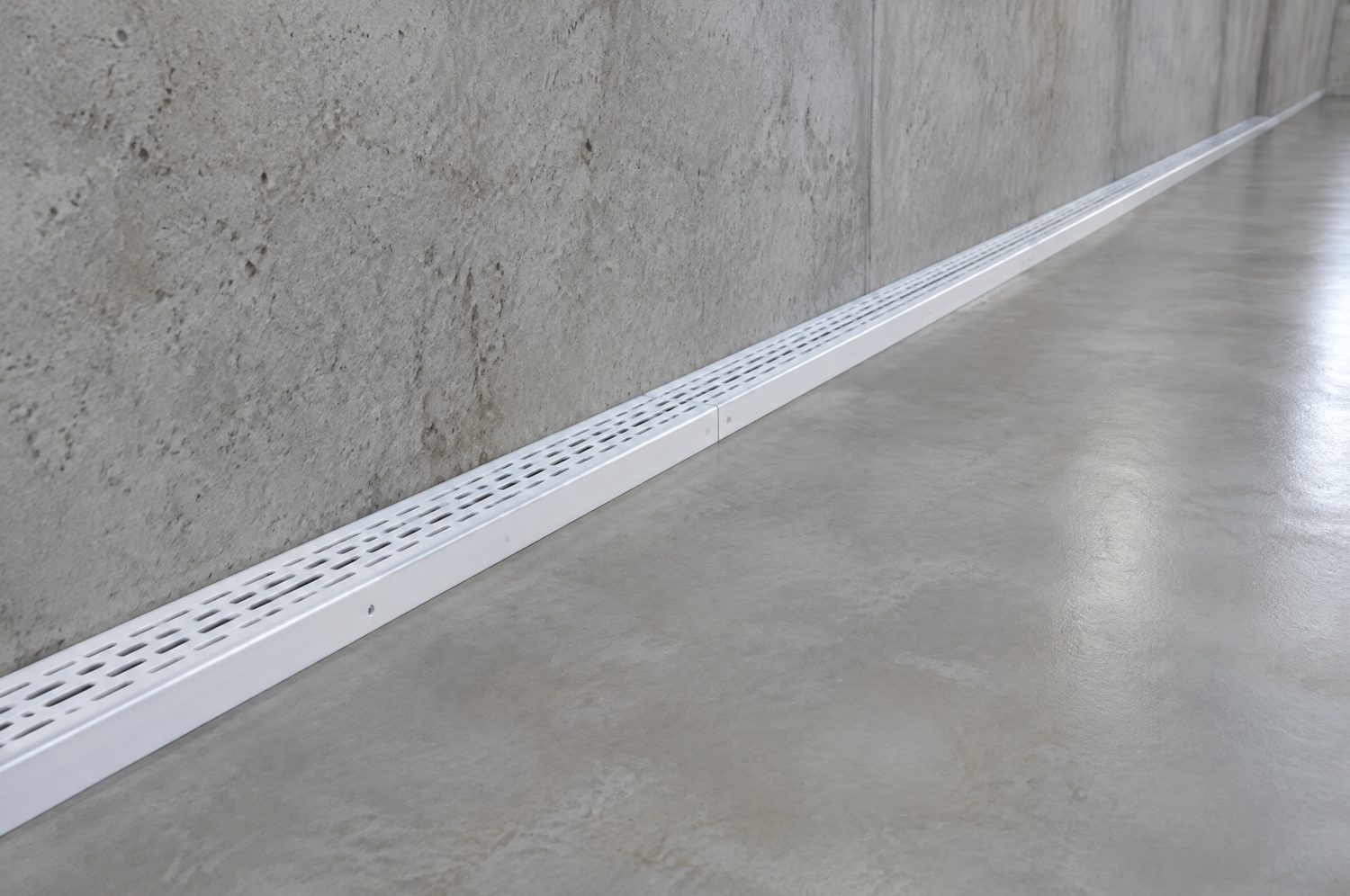
Interior waterproofing is the go-to fix when water is already getting into a basement or finished lower level and you do not want the yard torn up to stop it. We cut in a drainage channel along the inside of the footing that catches water the moment it comes through and route it to a sump pump that carries it out and away from the house. No excavation, no lost landscaping.
In Charlotte it is often paired with a vapor barrier and a dehumidifier so you handle the water and the humidity the saturated clay drives in. Most interior systems go in within a day or two and keep the space dry year round.
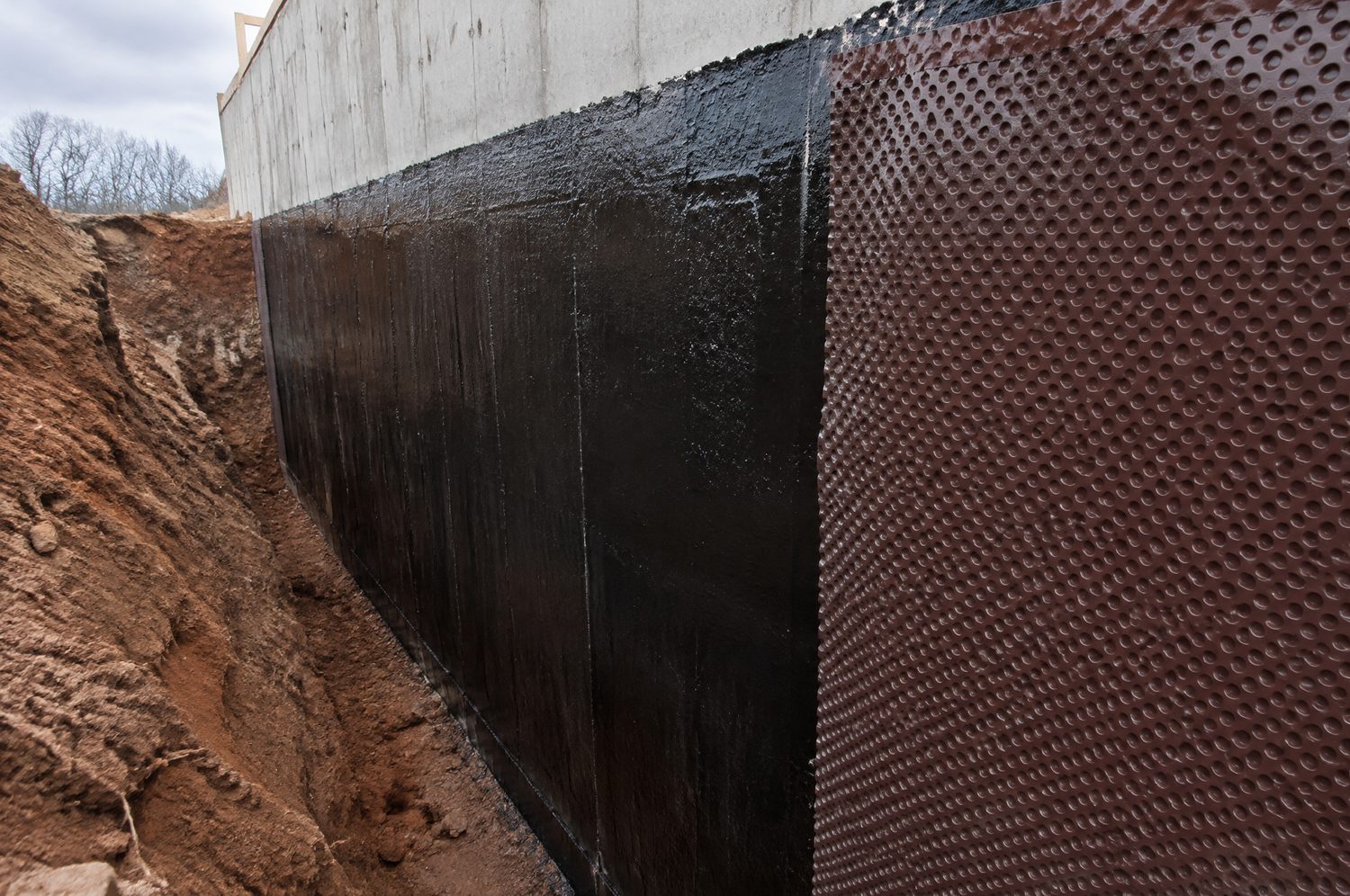
Exterior waterproofing is the most complete fix because it intercepts water on the outside, before it ever touches the wall. We excavate down to the footing, clean and seal the foundation with a waterproof membrane, and add exterior drainage so water is carried off instead of pressing against the concrete under Charlotte's heavy, slow-draining clay.
It is the right call for steady, ongoing seepage or a foundation whose original coating has failed. Because it means excavation, it is a larger undertaking than interior drainage, so we reserve it for the cases that genuinely need it and give you a straight answer on which your home does.
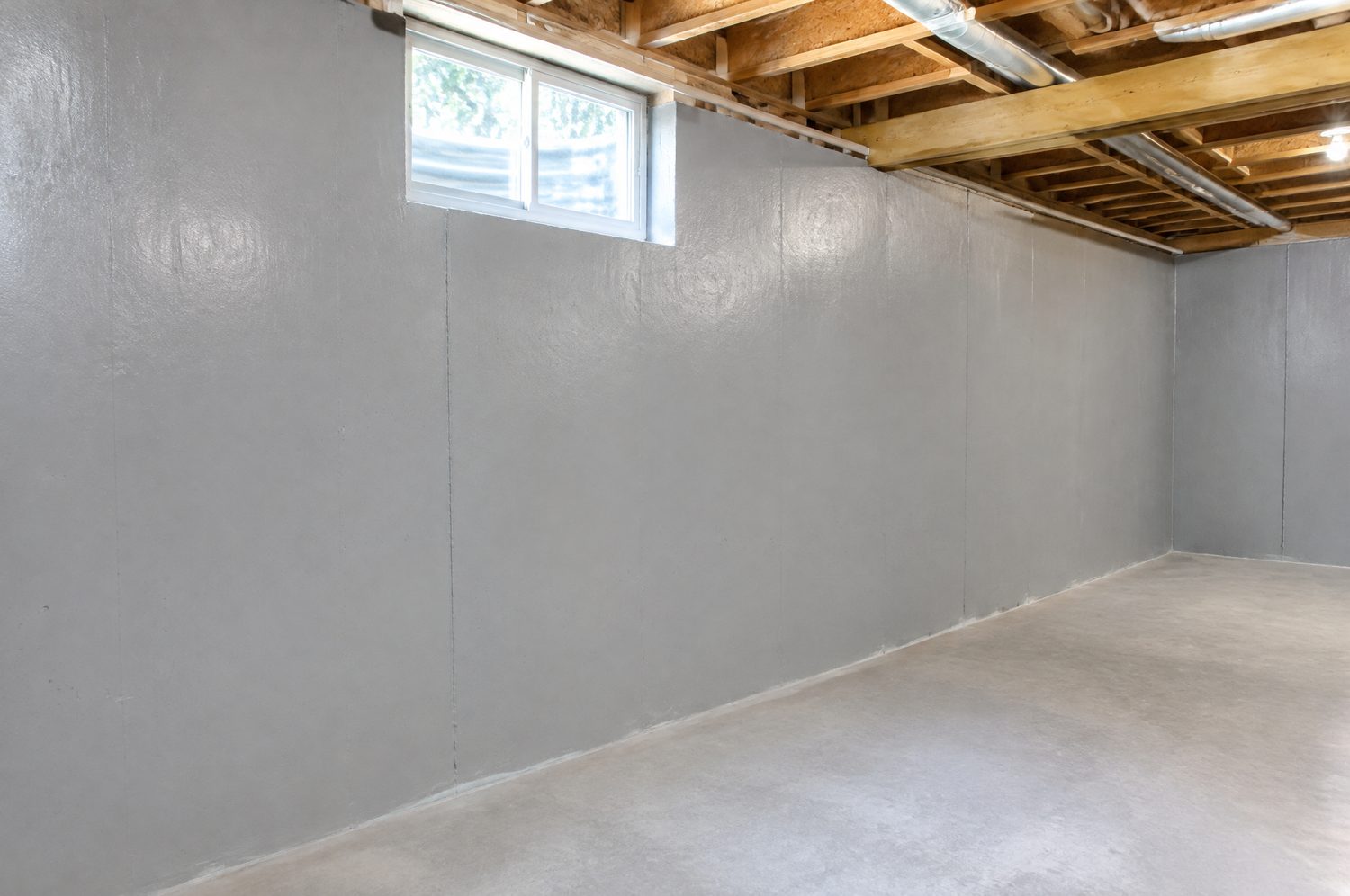
Foundation waterproofing seals the walls themselves, block or poured concrete, with a waterproof membrane or coating and a dimpled drainage board, so moisture and the hydrostatic pressure from wet clay cannot push through. That protects the wall itself and keeps everything behind it dry.
On its own it handles damp or seeping walls; paired with drainage it becomes a full system. On Charlotte's crawl space foundations it is often combined with encapsulation to seal the whole space, not just one wall.
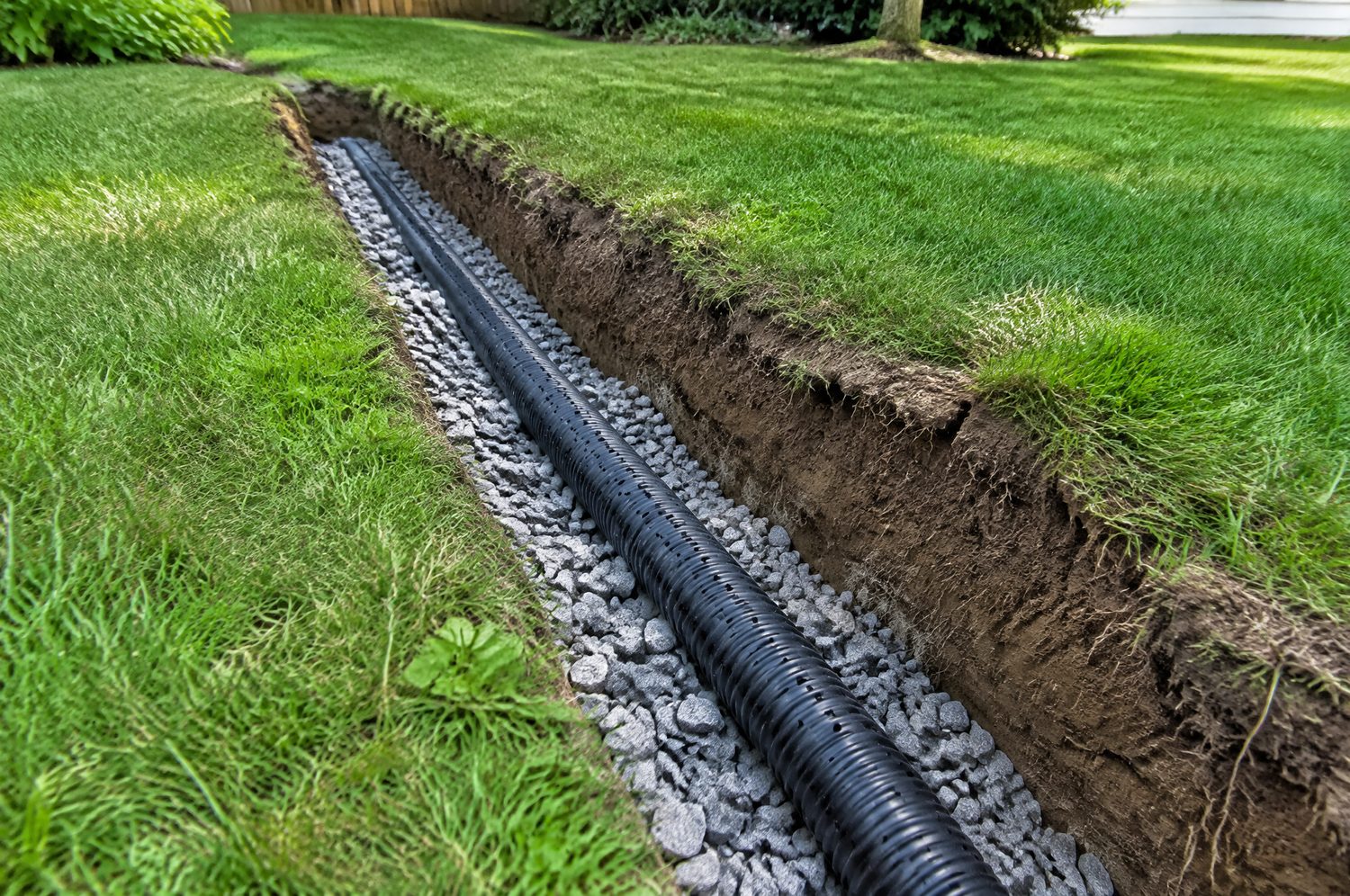
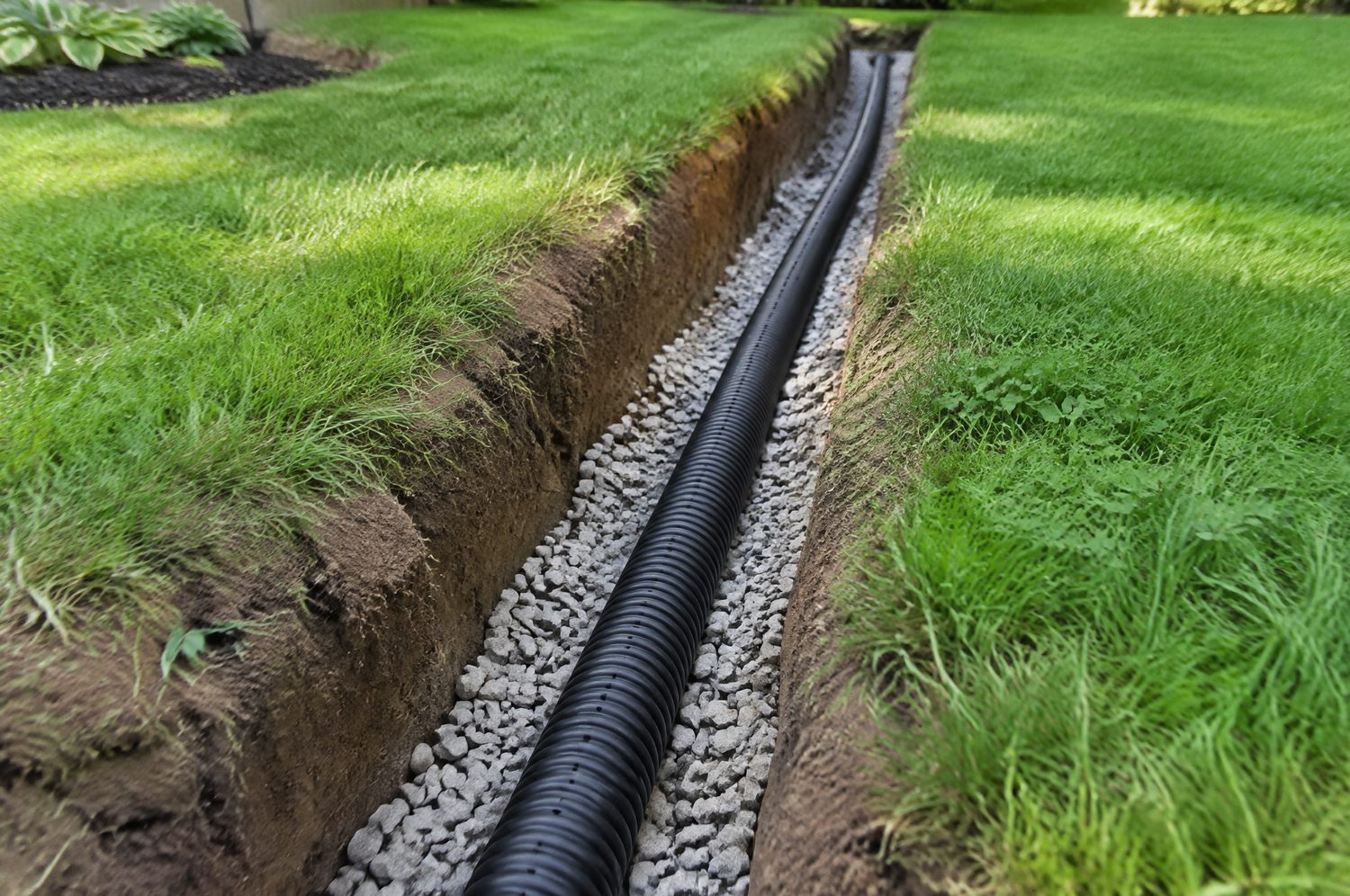
A french drain is a gravel-filled trench with a perforated pipe that collects water and carries it away from the foundation, and in Charlotte it is the single most common fix, because so much of the water here is surface and ground water the clay will not absorb. We run them in the yard, around the foundation, or inside the crawl space, wherever the water needs intercepting.
We also correct what caused the problem in the first place: downspout extensions, regrading low spots, and catch basins that keep roof and slope water moving away from the house. Moving water away is the cheapest, most durable way to keep it out, so we always check it first.
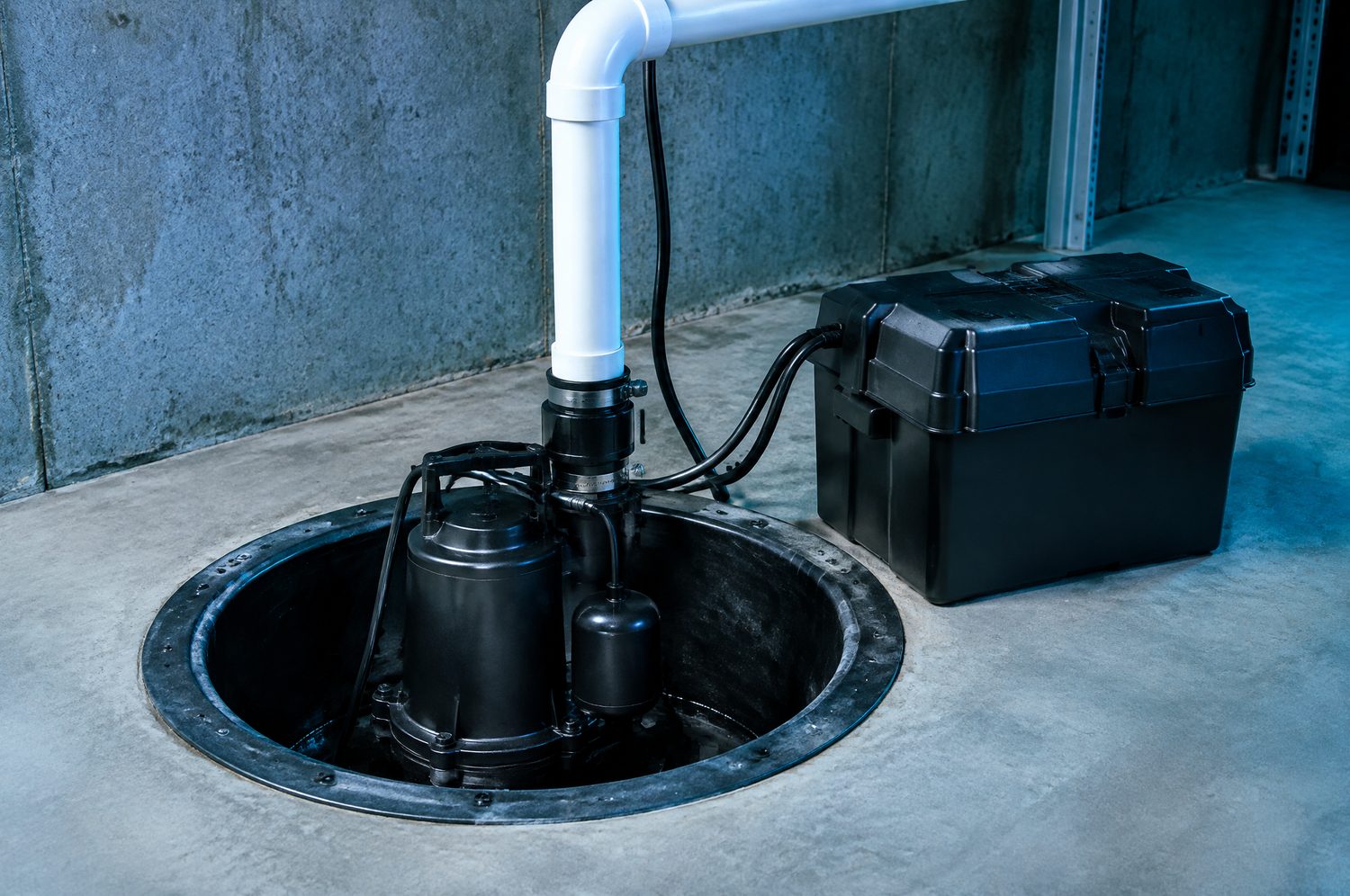
A sump pump is the heart of most interior and crawl space systems. Set into a pit at the low point, it kicks on the moment water rises and moves it out and away from the foundation. We install, replace, and upgrade pumps and size them to the water your home actually takes on.
Because Charlotte's worst water comes with the heavy storms that also knock out power, we add a battery backup so the pump keeps running when you need it most. Before we leave, we run the whole system to confirm it works.
Pick what you need and roughly how much, and you will get a planning range right away. A free inspection gives you the firm, itemized number.
A planning estimate from current Charlotte cost data, not a quote. Your firm, itemized price comes after a free on-site inspection.
The same four steps on every job, from the first inspection to the final walk through.
We come out, find where the water is actually getting in, and check the grade, downspouts, and foundation. Diagnosis comes first, because the fix only works when it matches the source.
You get a written scope and a firm price before any work starts. We explain which system your home needs and why, with no pressure and no surprise add-ons later.
Our crew installs the interior drainage, exterior membrane, french drain, or sump pump to plan, keeps the work area clean, and protects your home while we are in it.
We run water through the system to prove it moves, then walk you through exactly what we did, your transferable warranty, and how to keep it working for the long run.
Every job starts with a real inspection and a straight answer, not a sales pitch. If an extended downspout and some regrading will fix it, we tell you that instead of selling you a system you do not need.
You get a written price before work begins, and it is the price you pay. We would rather lose a job to an honest number than win one with a lowball that balloons halfway through.
Interior, exterior, drainage, or a pump, we recommend what the water calls for, install it to spec, and back it with a transferable warranty that carries to the next owner if you sell.
We work on Piedmont red clay and Charlotte crawl space foundations every day, so we know how this soil, these storms, and these homes behave. That is why we fix the source, not just the symptom you can see.
Most Charlotte waterproofing companies will not put a number on their website. We will. These are honest planning ranges for the Charlotte market, from a simple interior drainage job to a full exterior system, so you can budget before anyone walks through your door. Every home is different, so the firm price always comes after a free inspection, but you should not have to call three companies just to learn the ballpark.
An interior drainage channel and sump pump for a typical Charlotte basement or crawl space. Where you land depends on the linear feet of wall, how many walls take on water, and whether the slab has to be opened to run the drain.
Excavating down to the footing, sealing the wall with a membrane and drainage board, and installing exterior drainage. The digging and access are what make it the biggest job, and it climbs with depth, landscaping, and how much of the foundation is involved.
A french drain or yard-drainage run, or a sump pump installed or replaced. The length of the trench, the pump your home needs, and adding a battery backup for storm outages set where you fall in the range.
What moves your price: how much water is getting in and where from, the linear feet of wall or trench, whether we are opening a slab inside or excavating outside, the condition of your current grading and downspouts, and add-ons like a battery backup or crawl space encapsulation. A small drainage correction is a very different job than a full exterior system, which is exactly why we diagnose before we quote.
These are planning ranges for the Charlotte and Mecklenburg County market, not a quote. Your firm, itemized price comes after a free on-site inspection, with no obligation and no pressure.
The questions we hear most from Charlotte homeowners, answered straight.
Some do, but most do not. The majority of Charlotte homes sit on a crawl space or a slab rather than a full basement, because of the clay soil and shallow water table. That is why we waterproof crawl spaces and foundations here as often as basements, and the right fix depends on which foundation your home has.
Most Charlotte jobs run about $3,000 to $12,000 for interior drainage with a sump pump, $8,000 and up for a full exterior system, and $1,500 to $6,000 for a french drain or a sump pump on its own. The size of the problem, the linear feet of wall, and whether we dig outside or open the slab inside set the final number, which we put in writing after a free inspection.
If you can stand up and walk around the space, it is a basement. If it is a low space under the house that you crawl into, usually a few feet tall with a dirt or vapor-barrier floor, it is a crawl space. Charlotte has far more crawl spaces, and they take on water and humidity differently than basements, so the fix is different. We tell you which you have at the inspection.
Because so much of the water here is surface and ground water the clay will not absorb. Piedmont red clay holds water against the foundation instead of draining it, so the most durable fix is usually to collect that water in a gravel trench with a perforated pipe and carry it away from the house. Moving water away is cheaper and lasts longer than trying to seal it out after it is already pooling.
Interior waterproofing manages water that gets in by collecting it at the footing and pumping it out, and it is the right call for most Charlotte homes because it is effective and less invasive. Exterior waterproofing seals the wall from outside by excavating down to the footing, and it is for steady seepage or a failed original coating. We recommend the one your water actually calls for, not the bigger ticket.
Four things we see most: red clay that holds water against the foundation and builds pressure, heavy rain and flash flooding from the creeks that run through the city, grading and downspouts that send roof and yard water toward the house instead of away, and the cracks or gaps where that water then gets in. Usually it is a combination, which is why we find the source before recommending a fix.
If water collects at the low point of your basement or crawl space, or you have an interior drainage system, you need a pump to move that water out. If your problem is purely surface water in the yard, a french drain alone may be enough. Because Charlotte's worst water comes with the storms that also knock out power, if you do need a pump we recommend a battery backup so it keeps running during an outage.
Charlotte has a number of creeks, like Little Sugar, Briar, and McAlpine, with mapped floodplains, and Mecklenburg County publishes flood maps you can check by address through Charlotte-Mecklenburg Storm Water Services. Being outside a mapped flood zone does not mean you are dry, though. Most of the water we fix is everyday rain and ground water, not creek flooding, and a waterproofing system handles that regardless of your flood-zone status.
When a job needs a permit, we handle it. Most interior drainage and sump pump work does not require one, but larger structural or exterior excavation work can, and we pull what is required through Mecklenburg County before we start. We will tell you at the inspection whether your job needs a permit.
Yes. Every job starts with a free, no-pressure inspection. We find where the water is getting in, check your grade and downspouts, and give you a written plan and a firm price before any work begins. There is no obligation, and if a small fix will solve it, we will tell you that.
We waterproof basements, crawl spaces, and foundations across Charlotte and every community in Mecklenburg County, plus the nearby towns below.